
INTERACTION AND OPTICAL STACK

Touch & Cover Lens Integration

Coordinate touch technology, cover-glass geometry, controller tuning, bonding and enclosure details as one interface.

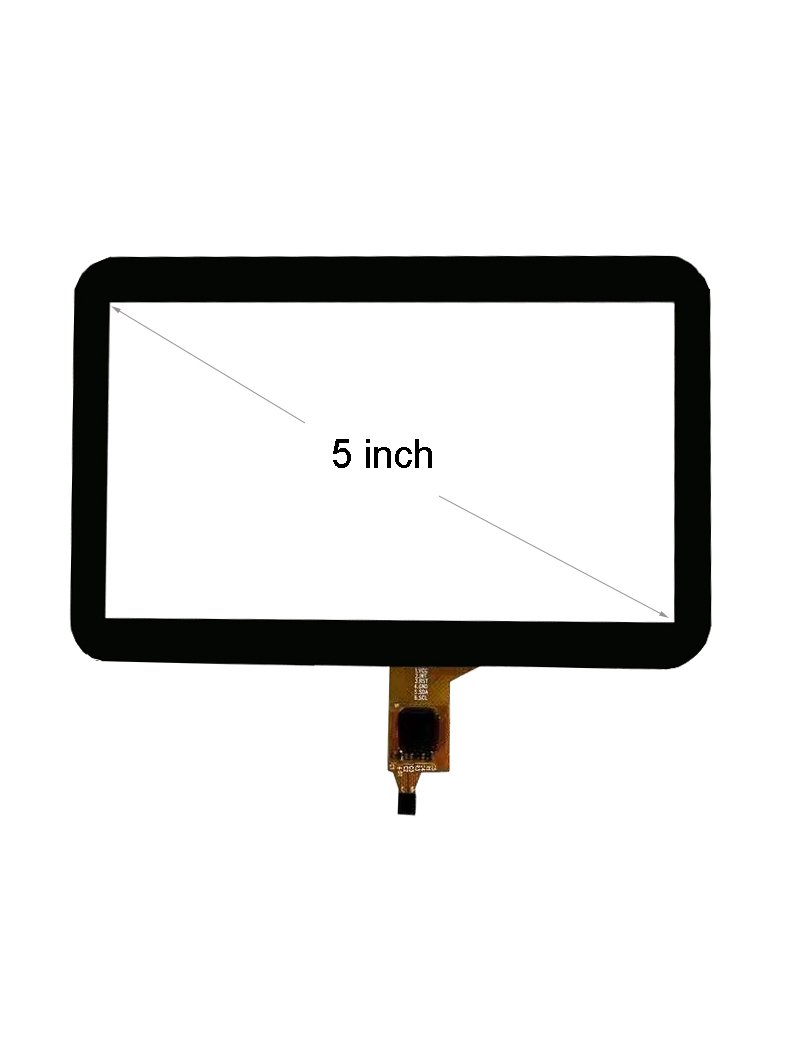
Capacitive touch panel and cover lens assembly

APPLICATION-FIRST ARCHITECTURE

A system decision, not an isolated part number.

A touch interface is shaped by far more than sensor size. FORWORLD connects finger or glove behavior, noise conditions, cover-lens design, optical bonding and controller communication to the display and enclosure architecture.

FROM INPUTS TO A CONTROLLED BASELINE

What this solution path covers.

The exact scope is set by the application. These workstreams keep the most important display, electronics, software and mechanical decisions connected.

01 · DEFINE

Decision Inputs

  • Finger, glove, stylus or wet-operation expectations
  • Cover-lens outline, thickness, printing, finish and edge treatment
  • Display stack, air gap or bonding target and optical priorities
  • Host interface, electrical noise and grounding environment

02 · INTEGRATE

Engineering Scope

  • Projected-capacitive and resistive touch assessment
  • Cover-lens drawing and visible-area coordination
  • Controller selection, firmware tuning and communication support
  • Bonding stack, gasket, bezel and grounding review

03 · DOCUMENT

Project Outputs

  • Touch and cover-lens requirement specification
  • Stack-up drawing and interface definition
  • Controller settings and host integration guidance
  • Interaction, noise and optical validation record

APPLICATION ALIGNMENT

Where this path fits.

  • Industrial HMIs
  • Medical interfaces
  • IoT access panels
  • Smart appliances

NEXT STEP

Define the right starting architecture.

Send the application, host platform, viewing conditions, target size, touch needs and mechanical envelope. We will turn those inputs into a focused technical discussion.

Share Requirements