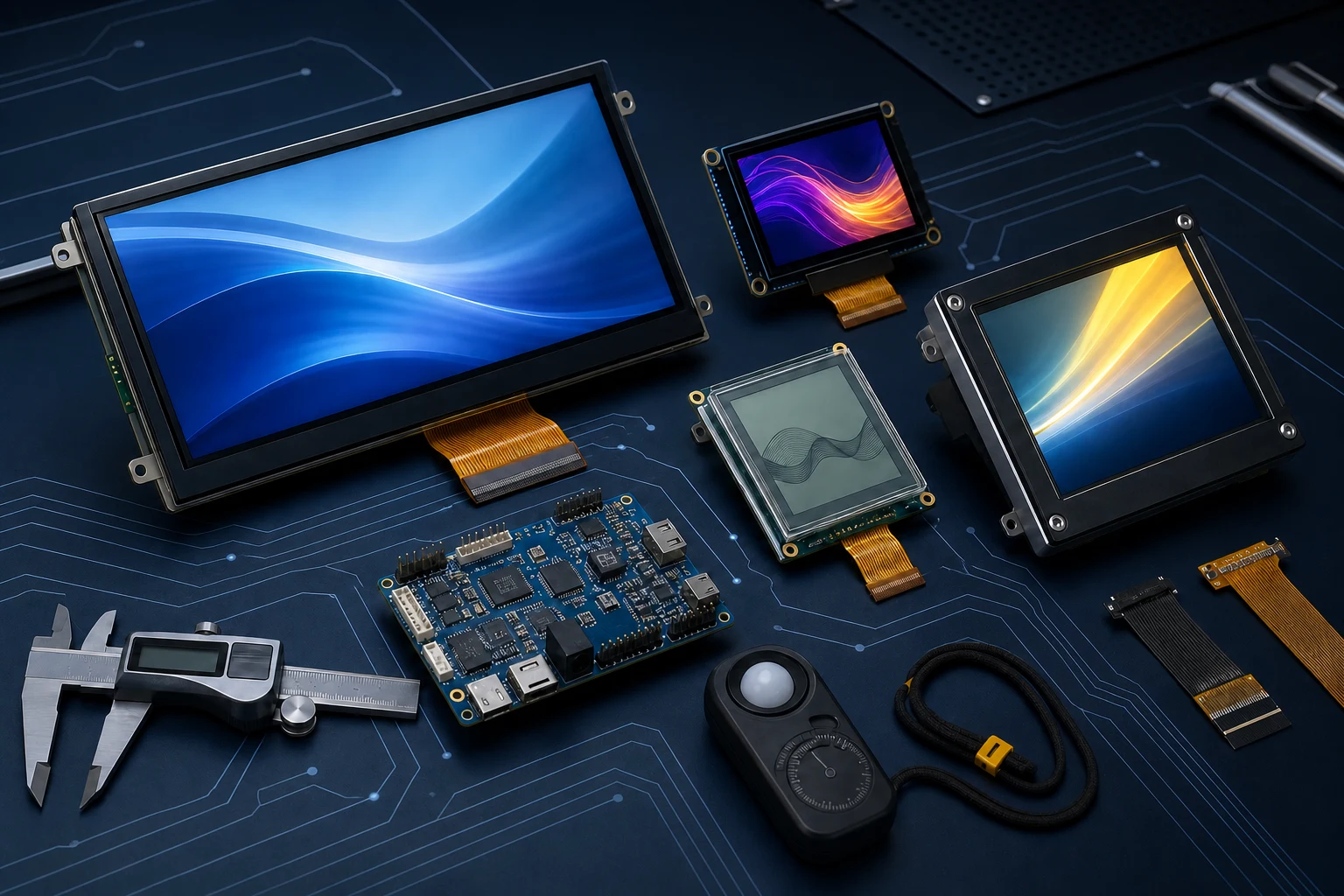
Display Selection & Architecture
Compare technologies, sizes and interfaces against the real application—not just a catalog specification.
TFT · OLED · LCD display solutions
FORWORLD is a professional display solutions company. We bring together screen selection, driver electronics, firmware development and touch integration for industrial control, IoT, medical and smart-appliance products.
A display solution company
We specialize in TFT, OLED and LCD display solutions, developing the complete path from display selection and driver circuitry to firmware, touch integration and project-specific customization.
Compare technologies, sizes and interfaces against the real application—not just a catalog specification.
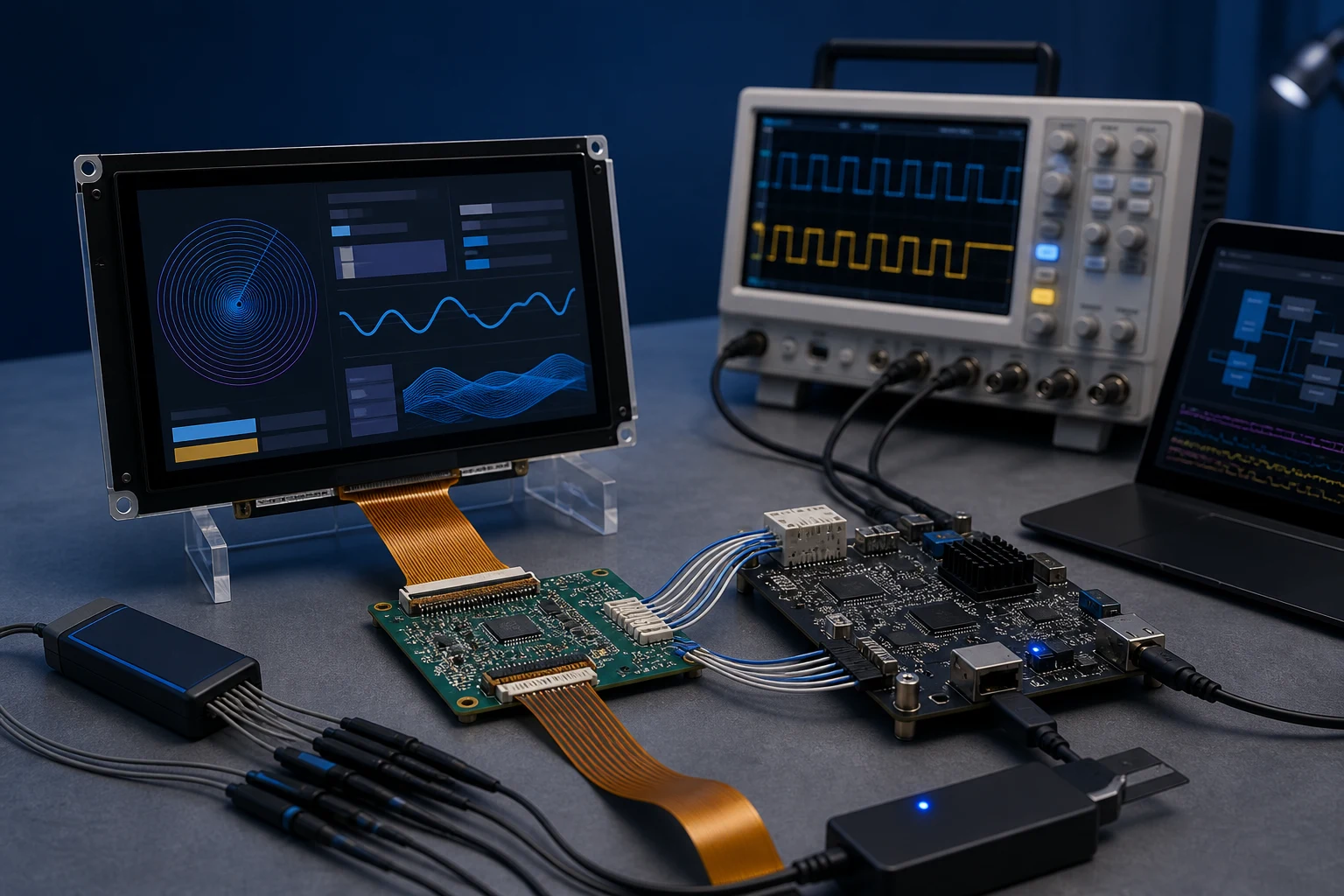
Coordinate the display, controller, power, backlight and embedded software as one working subsystem.
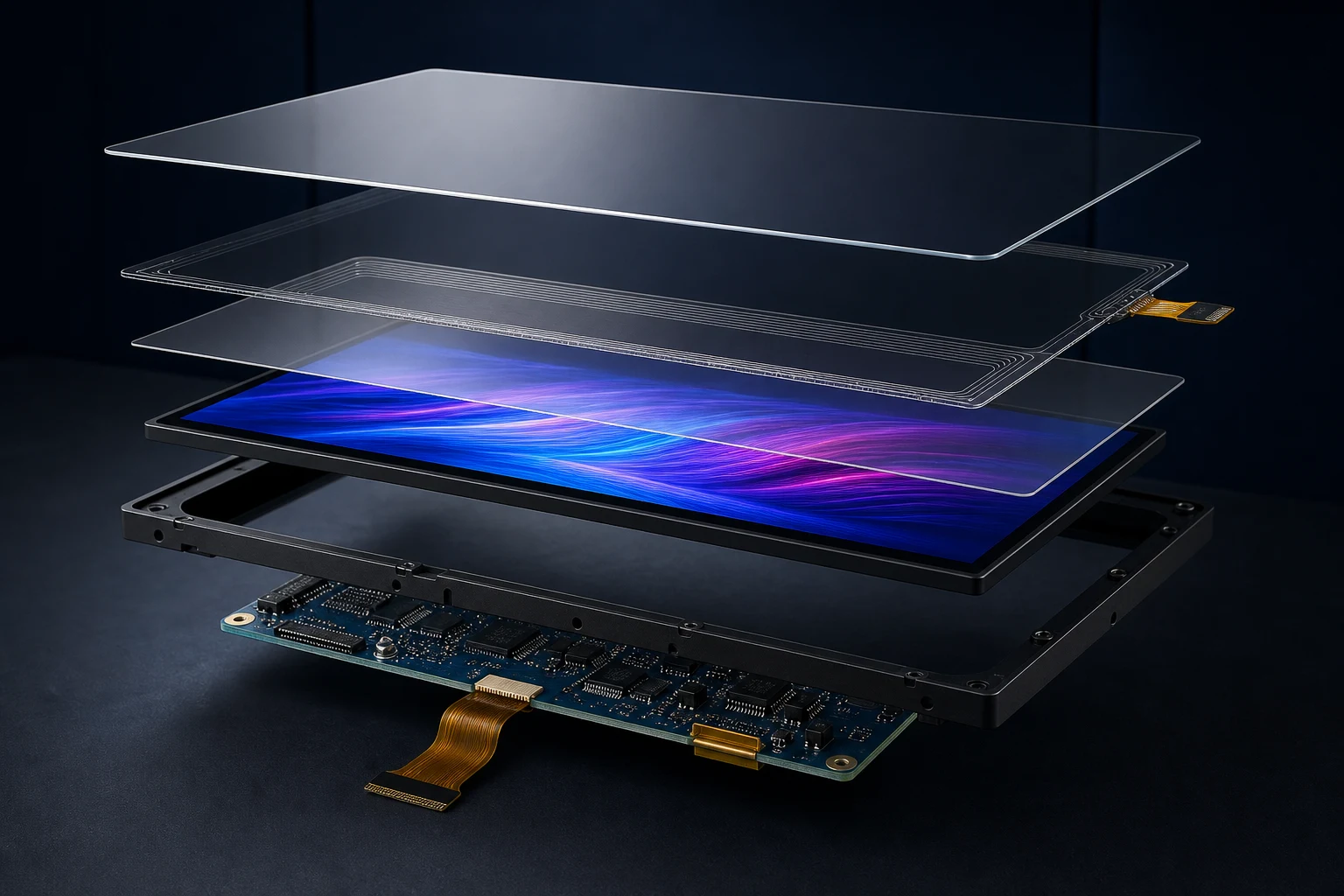
Define cover lens, touch, bonding, bezel, FPC and mounting details around the finished product experience.
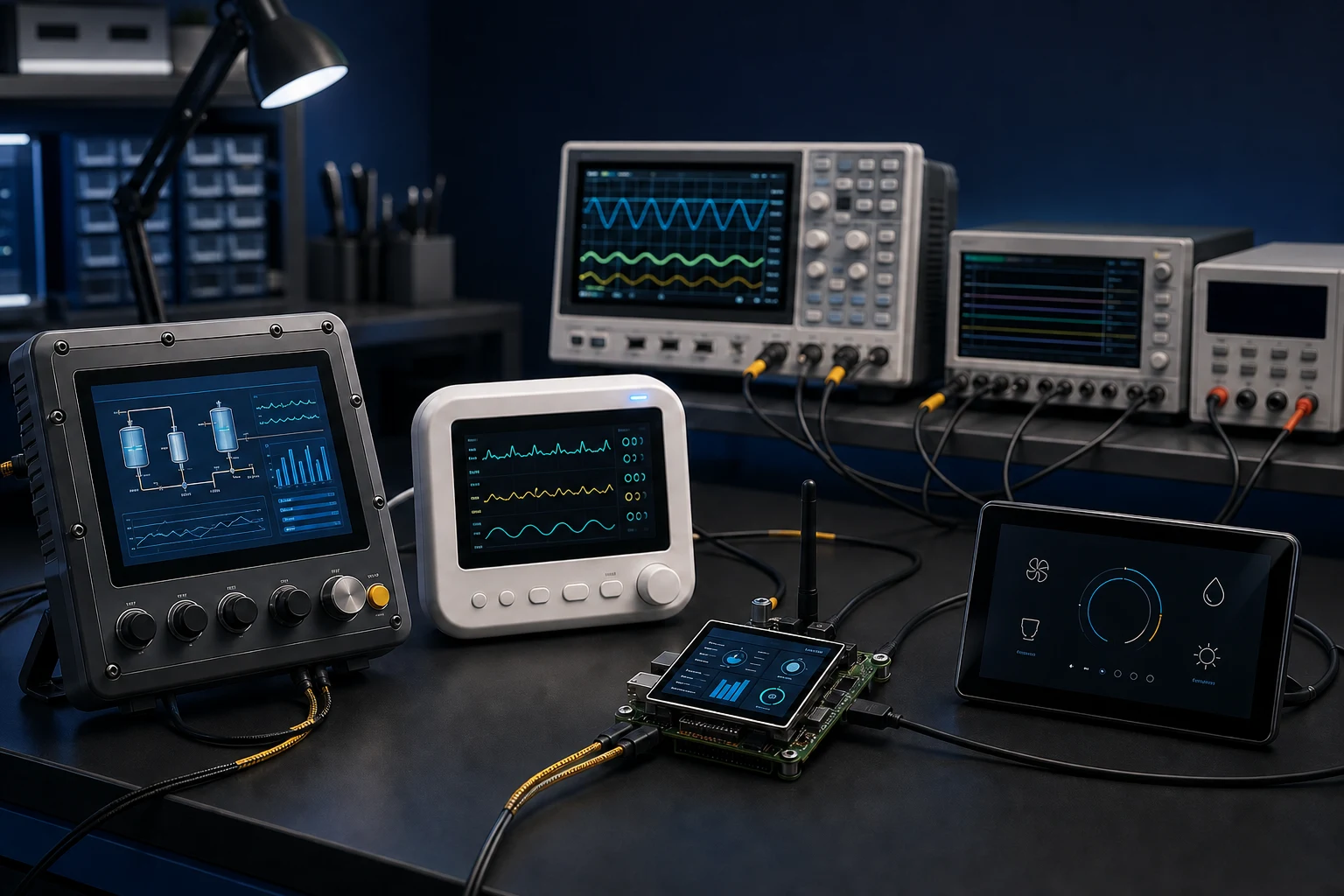
Verify the integrated solution in the electrical, optical, mechanical and operating conditions that matter.
What we solve
Start with how the product must perform—not with a catalog part number. We connect the technical and commercial decisions that determine whether a display will truly fit its application.
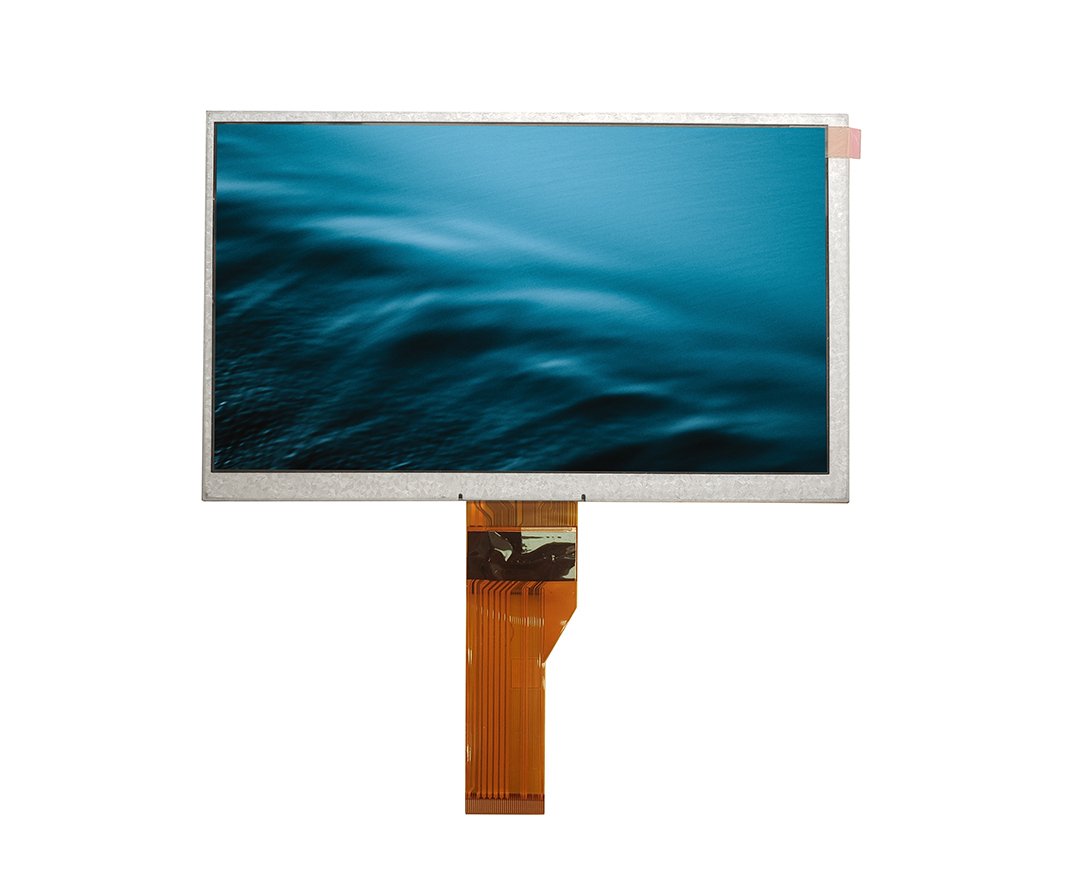
Select the right TFT, OLED or LCD around size, resolution, luminance, viewing, power, interface, lifecycle and project cost.
Explore Solution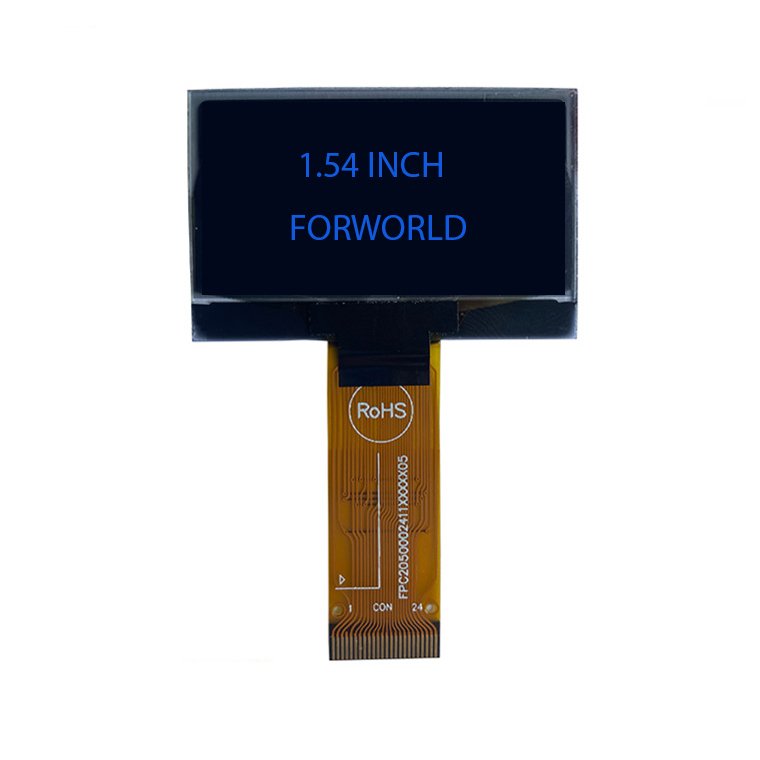
Balance brightness, contrast, viewing angle, reflection, readability, temperature and power for the intended environment.
Explore Solution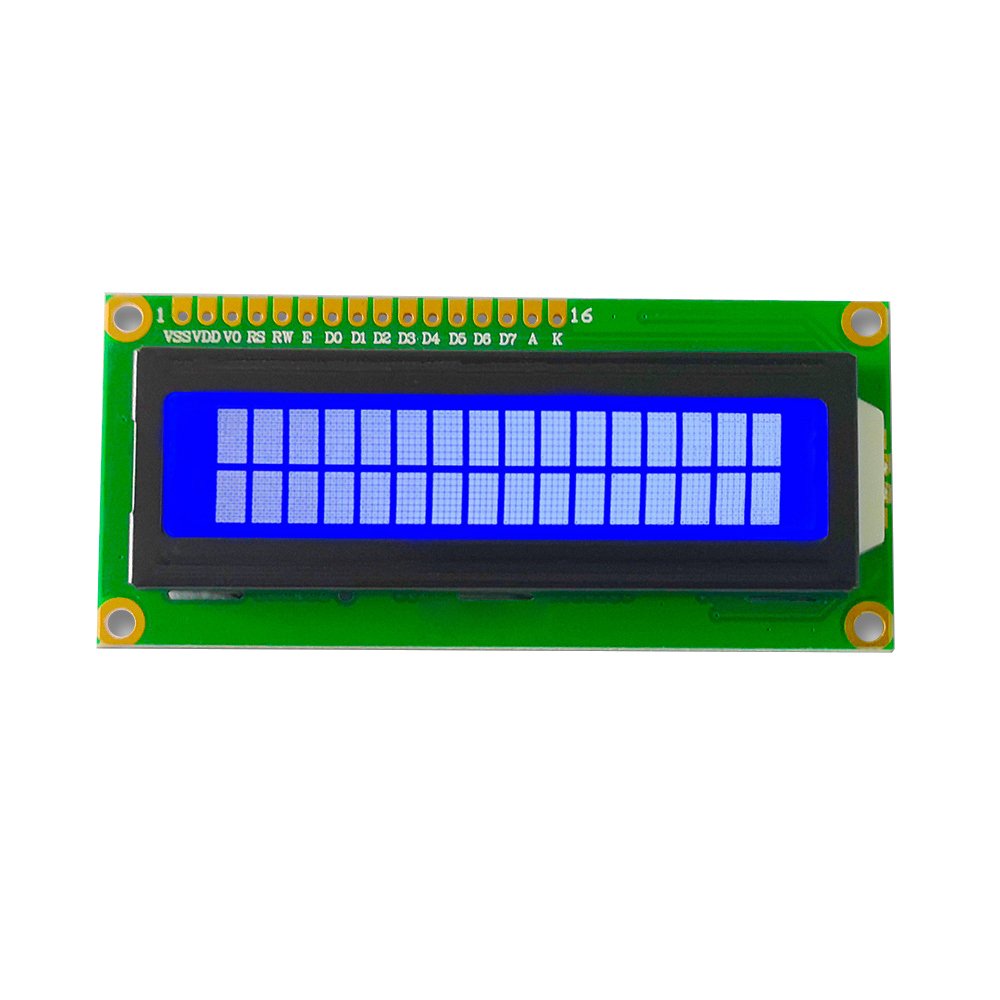
Develop controller, power, backlight and interface circuitry that connects the selected display reliably to the host platform.
Explore Solution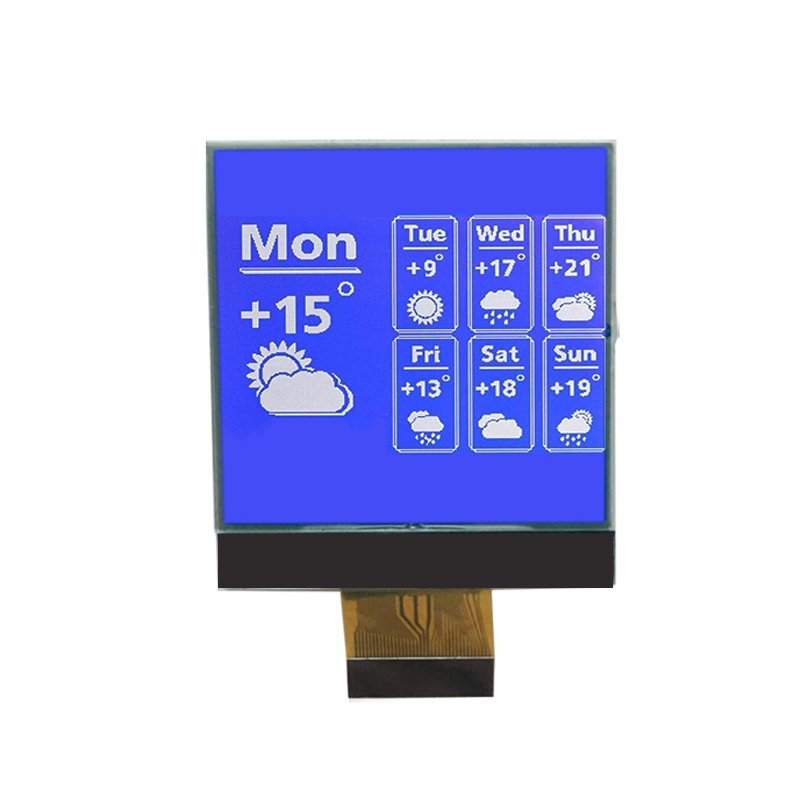
Bring up display and touch functions with initialization, timing, image tuning, interface control and application-level integration support.
Explore Solution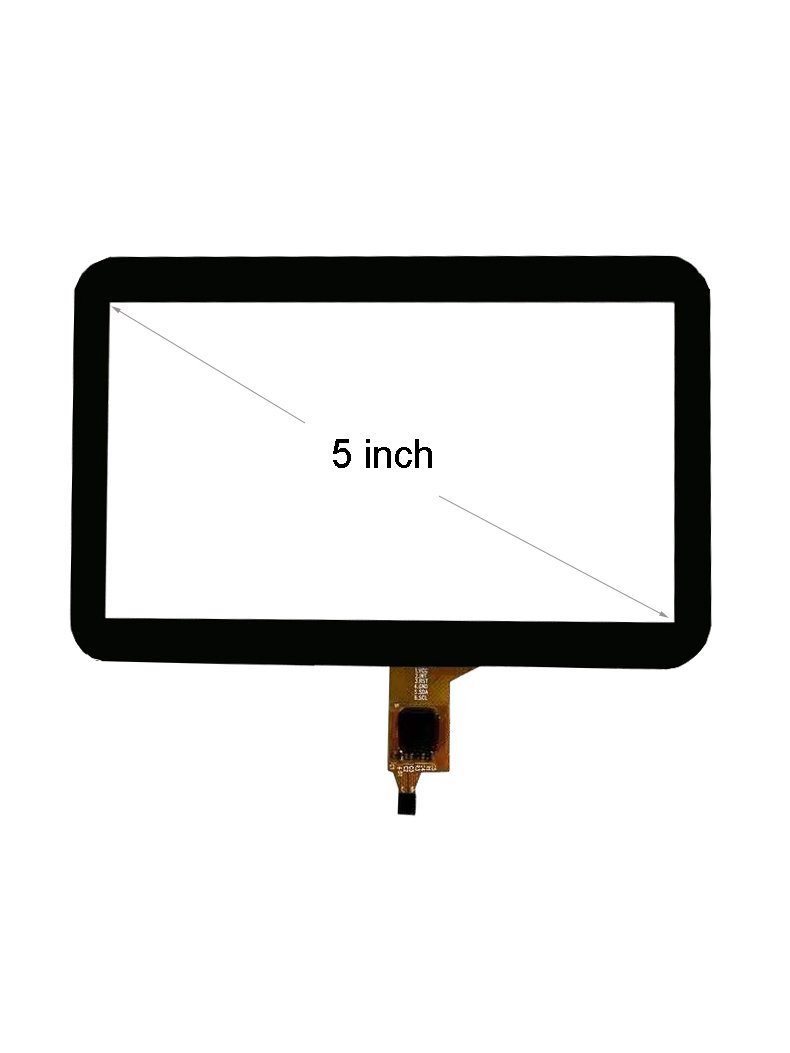
Define touch technology, cover-glass geometry, surface finish, bonding approach and project-specific interaction requirements.
Explore Solution
Coordinate outline, stack-up, mounting, connector placement, cable routing, sealing and enclosure constraints before release.
Explore SolutionHow we develop
A complete display solution crosses optics, electronics, firmware, touch and mechanics. We keep every layer connected from requirement to validated configuration.
Application, environment, electrical, mechanical and commercial inputs become one shared solution brief.
See what changes when brightness, power, optical stack, interface, durability, cost or lead time moves.
Display, driver electronics, touch control and embedded software are developed as one connected subsystem.
Electrical interfaces, timing, initialization, backlight control and touch communication are verified together.
Sample checks and acceptance criteria are agreed before any configuration is treated as ready.
Drawings, firmware versions, specifications, approved samples and changes stay tied to one solution baseline.
Applications
The application determines the architecture. We evaluate where and how the display must work, then coordinate the solution around those constraints.
Operator panels and equipment interfaces shaped around readability, service life, connectivity and enclosure integration.
Connected controls and edge devices balancing compact integration, power, touch interaction and host connectivity.
Diagnostic, monitoring and laboratory systems where usability, cleanability and controlled configuration matter.
Touch interfaces for connected home and commercial appliances, tuned for clarity, response and everyday durability.
Compact, information-dense interfaces for meters and analyzers aligned with host electronics and mechanical constraints.
Interfaces for inverters, storage systems and field terminals, considering readability, maintenance and lifecycle planning.
Project evidence
We measure progress by clearer, better-controlled technical decisions—not by the number of emails exchanged.
01 · DEFINE
Application needs, constraints, assumptions and unanswered questions are visible to everyone involved.
Requirements matrix & open-item register
02 · DEVELOP
Display, touch, driver electronics, firmware and mechanical interfaces are brought together before validation.
Engineering sample & controlled solution baseline
03 · VALIDATE
Results are linked to project-specific acceptance criteria, with deviations and changes recorded.
Validation record & approved configuration

Frequently asked
A useful recommendation begins with context. These are the questions product teams most often ask before we define a solution path.
The best starting points are the application, operating environment, target size and resolution, viewing conditions, touch requirements, host interface, power limits, mechanical envelope, expected volume and target schedule. If some details are unknown, we can help structure the questions.
Yes. We can review an existing display, drawing or datasheet against the electrical, mechanical, optical and supply requirements of the project. Any alternative remains a candidate until compatibility and validation are complete.
Yes. Scope can include touch technology, cover-lens geometry and finish, bonding approach, controller or interface options, backlight control, cables and mechanical integration.
FORWORLD is a professional display solutions company and system integration partner. Our work covers TFT, OLED and LCD selection, driver circuitry, firmware development, touch integration and application validation.
Timing depends on the selected display, level of hardware and firmware development, touch or mechanical customization, sample quantity and validation plan. We confirm a project schedule after the scope and proposed architecture are reviewed.
The agreed configuration is documented as a controlled baseline. If a component changes or becomes unavailable, we review the impact and revalidate the proposed alternative before release.
Technology ecosystem
We coordinate the relevant display, touch, optical, electronic and mechanical layers around your product requirements. Component participation and availability are confirmed for each project.








Start a conversation
Tell us what the product must do, where it will operate and what constraints are already fixed. We’ll help frame the technical questions and define a practical path toward an integrated display solution.
Helpful first details: application, target size and resolution, viewing environment, touch requirements, host interface, mechanical envelope, expected volume and schedule.